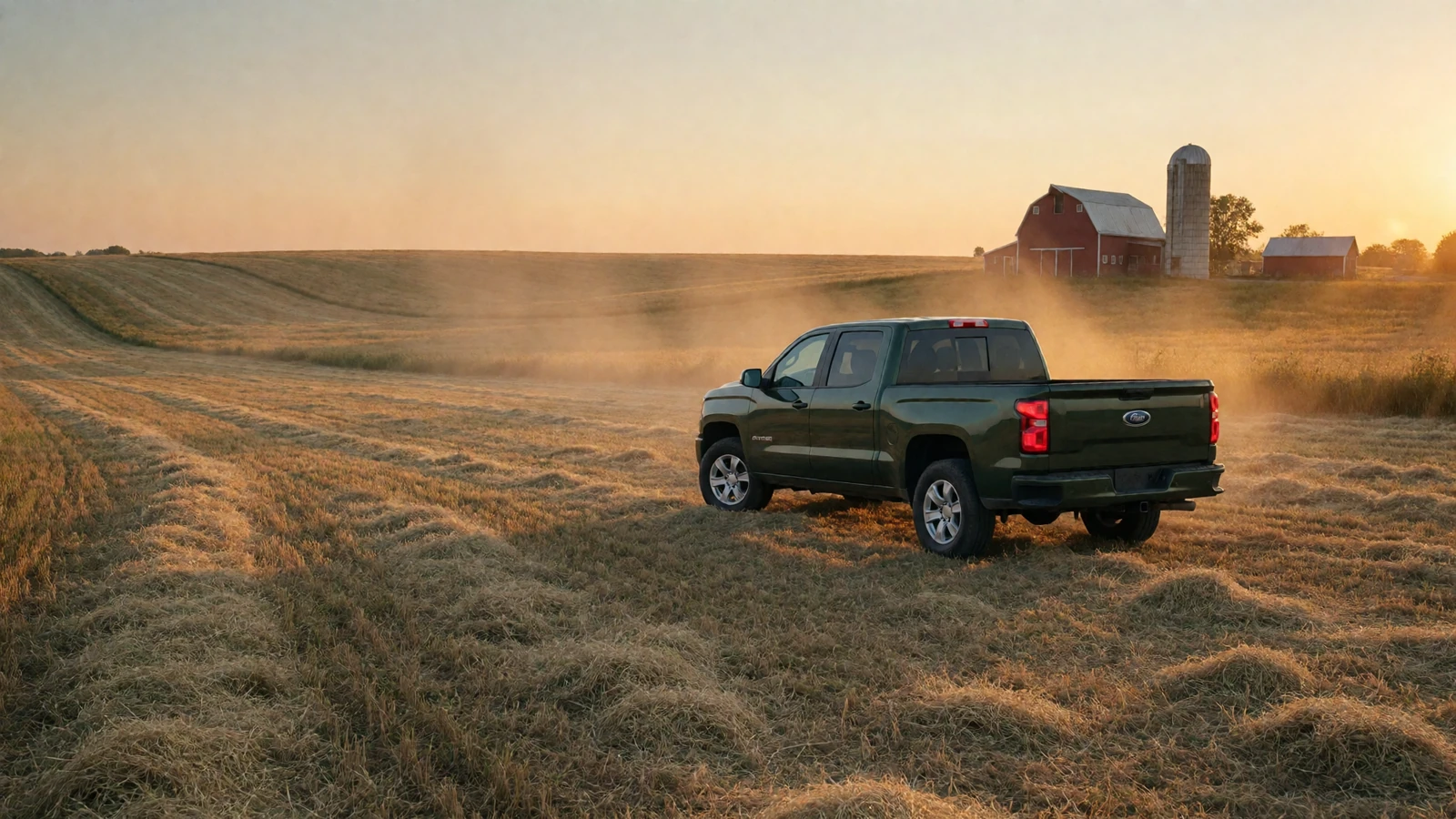
- Farm relationships face seasonal pressure: spring planting, summer livestock and calving, fall harvest, and a quieter winter window.
- The best country date ideas belong to farm life - a tailgate breakfast, a county fair, a ride in the combine, a warm dinner beside the barn.
- The "farm as second partner" syndrome is real; coaches recommend one protected hour of couple time each week and a work-free Sunday.
- Modern rural couples often lack the extended-family support network their grandparents had, so building community early matters.
- Couples who read the seasons instead of fighting them tend to build the steadiest relationships.
What makes seasonal dating hard on a farm?
Seasonal dating is hard because a farm's busiest weeks never line up with the calendar of a normal relationship. From March through November, planting, calving, and harvest can swallow evenings and weekends whole, so romance has to bend around the work instead of the other way around. The couples who thrive learn to read each season and plan connection to fit it.
Here's the thing: none of this means love comes second. It means love takes a different shape in April than it does in January. Understanding the seasonal rhythm of dating a farmer turns a source of friction into a shared rhythm two people can plan around together.
Seasonal Rural Date Ideas
The best rural dates belong to farm life, not to a restaurant two towns over. Each season opens a different kind of window, and matching the date to the moment is what makes it work. A tailgate breakfast in spring beats a cancelled dinner reservation every time.
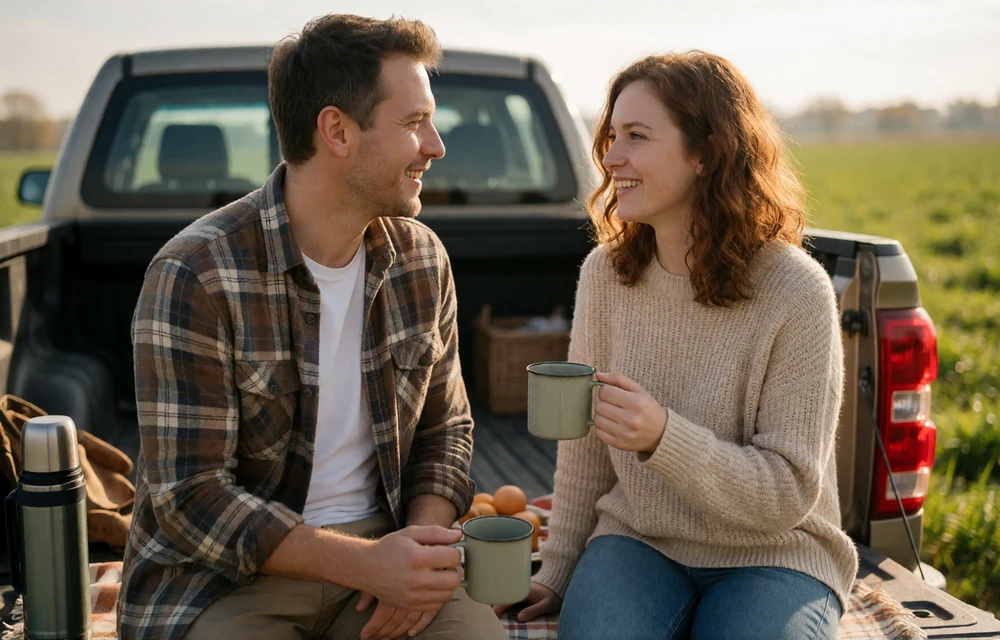
A season-by-season menu of dates that fit the work:
- Spring: a tailgate breakfast during a planter refill - coffee, warm burritos, and 20 quiet minutes before the tractor fires up.
- Summer: a county fair or a livestock auction, where the whole outing already runs on rural time.
- Fall: a ride along in the combine with a jar of chili - an hour together while the work still gets done.
- Winter: a warm dinner beside the barn and a long, unhurried conversation with nowhere else to be.
Want more of these? Our full guide to country date ideas for every season goes deeper, and the local state dating hubs help you picture realistic dates close to home.
The Farm as the Second Partner Syndrome
Almost every farm couple eventually hits the moment when one partner says, "I feel like I come second to the farm." Farm coach Elaine Froese argues that without deliberate effort, a spouse genuinely can end up in second place - not from cruelty, but from a livelihood that never truly clocks off.
What does this mean in practice? Froese's remedy is small and repeatable: guard at least one protected hour of "marriage time" every week - "Walk. Date. Talk." - and take a work-free Sunday, which adds up to 52 days of rest across a year. The point isn't grand romance. It's that a relationship, like a field, needs tending on a schedule, or it quietly runs down.
A weekly anchor
One protected hour and one work-free day a week won't fix everything - but they keep the relationship from slipping to the bottom of the chore list during the seasons that try it most.
Childcare and the Decline of Rural Support Networks
One of the least-discussed strains on modern farm marriages is the collapse of the old rural support network. Two generations ago, parents, grandparents, and relatives often lived down the road; today many young couples - especially those who moved out from the city - raise small children in real isolation, without built-in help during the busiest seasons.
Here's where it gets practical: the first two years in a rural community are the time to build a network on purpose. Volunteer firefighter breakfasts, church and Bible studies, and simple neighbor-to-neighbor help swaps rebuild the web of support that used to come automatically. For couples still finding their footing, our Country Lifestyle community connects people who already understand this rhythm and the trade-offs that come with it.
Farm Life and Relationships
Farm relationships are built in small, quiet rituals - coffee before sunrise, a work-free Sunday, honest conversations saved until harvest ends - far more than in weekend getaways. The couples who stay together stop resenting the seasons and start reading them, letting the year's cycle shape when they lean in and when they give space.
That cycle is predictable once you know it. Spring means 14-hour planting days from March through May. Summer brings relentless livestock work and calving. Fall is harvest from September through November. Winter, finally, opens a window for long talks, road trips, and big decisions. Couples who plan love around that calendar - and who understand the trust habits behind long-distance rural relationships - tend to build the steadiest partnerships of all.
The bottom line
Seasonal dating challenges are real, but they're navigable. Match the date to the season, protect a little time every week, build a community early, and the farm calendar becomes part of your love story instead of an obstacle to it.
Curious how the whole year fits together? Read life on a farm and relationships next, or learn how to date a farmer season by season.