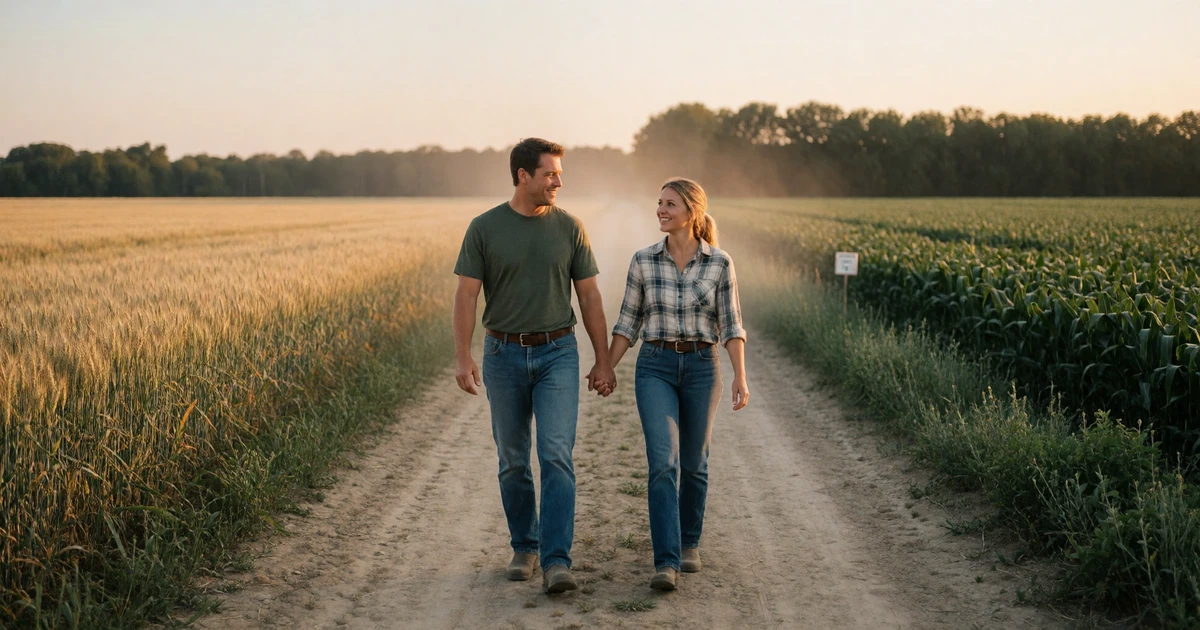
- Farm relationships follow the calendar outside the window: spring planting, summer hay and livestock work, fall harvest, and winter repair or calving.
- The farm can feel like a second partner unless couples protect intentional time for walks, dates, and honest talks.
- Strong farm couples communicate early, fight clean, share money decisions, and treat the relationship as part of the operation's long-term health.
Is it hard to date a farmer?
Dating a farmer is hard only when you expect farm life to behave like city life. A farm couple builds love around weather, chores, livestock, markets, and family land, so consistency comes from shared habits rather than predictable evenings. If you understand the rhythm, dating a farmer can feel grounded, loyal, and deeply meaningful.
Here's the thing: farm relationships are not a romantic photo shoot in a golden field. They are missed dinners, muddy boots by the door, 4:00 a.m. milking alarms, and the quiet pride of building something that may outlast both people. The best country couples do not pretend the work disappears. They learn where love can live inside the work.
The Farm as the Second Partner
The farm as the second partner is the feeling that land, animals, and business demands receive the first claim on time and energy. Nearly every farm relationship faces that moment when one person says, “I feel like I come after the farm.” Naming the pattern early helps couples turn resentment into a shared plan.
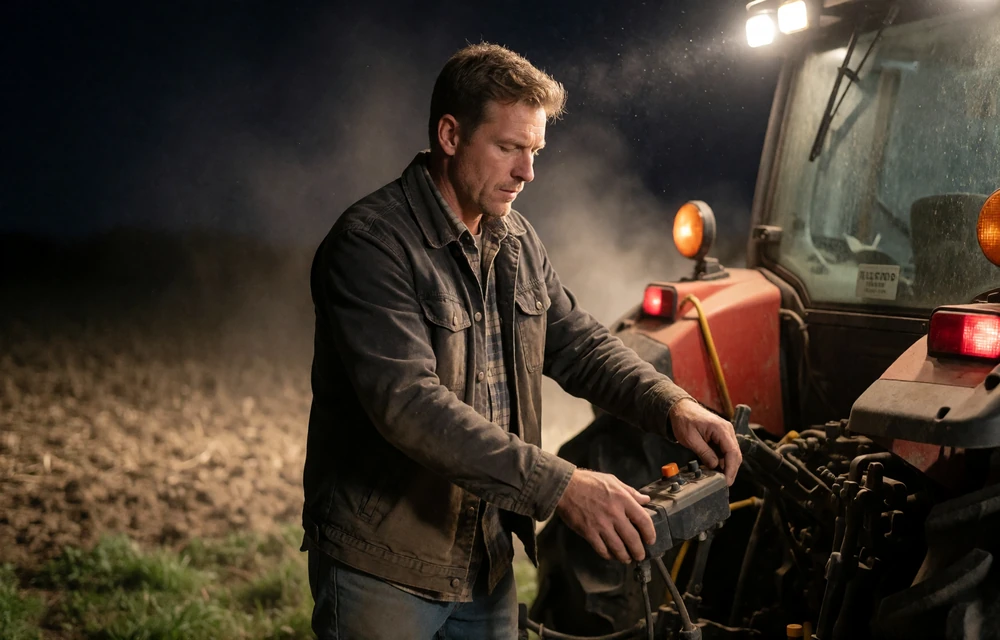
Farm coach Elaine Froese describes this challenge plainly: without intentional effort, spouses really can end up second. Her practical recommendation is not extravagant. She encourages at least one protected hour of marriage time each week, built around the simple mantra “Walk. Date. Talk.” She also points to a Sunday without work as a way to create 52 days of rest across a year.
“If you marry a rancher, you marry the job - midnight calving, confused steers, cattle and fences 365 days a year.”Grass-fed cattle rancher, in an interview with journalist Kristina Johnson
That line lands because it is honest. A partner is not competing with a hobby; they are sharing life with a livelihood. The bottom line is that healthy farm love requires two loyalties at once: loyalty to the work and loyalty to the person waiting when the work finally pauses.
Communication Habits of Strong Farm Couples
Strong farm couples communicate before pressure turns into blame. They use shared calendars, clean arguments, money conversations, and small spoken thanks to keep the relationship from becoming another neglected chore. The goal is not perfect harmony; it is a repeatable way to reconnect after long days.
What does this mean in practice? Farm life leaves very little room for passive aggression. If something matters, say it kindly and early. If the timing is bad, ask, “Is now a good time?” instead of launching into a hard conversation while someone is fixing an irrigation breakdown or racing a storm line.
-
Share the Farm Calendar
Put planting, hay, harvest, vet days, school events, and family visits in one visible calendar so neither partner has to guess what season requires.
-
Ask Before Heavy Talks
A simple “is now a good time?” protects hard conversations from happening during exhaustion, machinery trouble, or livestock emergencies.
-
Fight Clean
Strong couples stay specific, avoid old scorekeeping, and return to the real issue instead of attacking each other’s character.
-
Decide Money Together
Equipment, land, feed, seed, and family spending affect both people, so farm couples do better when financial choices are shared and clearly explained.
-
Thank the Ordinary
Saying thanks for meals, chores, rides, repairs, and quiet patience keeps everyday support visible before resentment has room to grow.
Consider this
A farm couple does not need a perfect schedule to have a healthy relationship. They need a reliable repair process: notice the strain, name it without contempt, choose a next step, and come back to each other.
Building on Agricultural Heritage
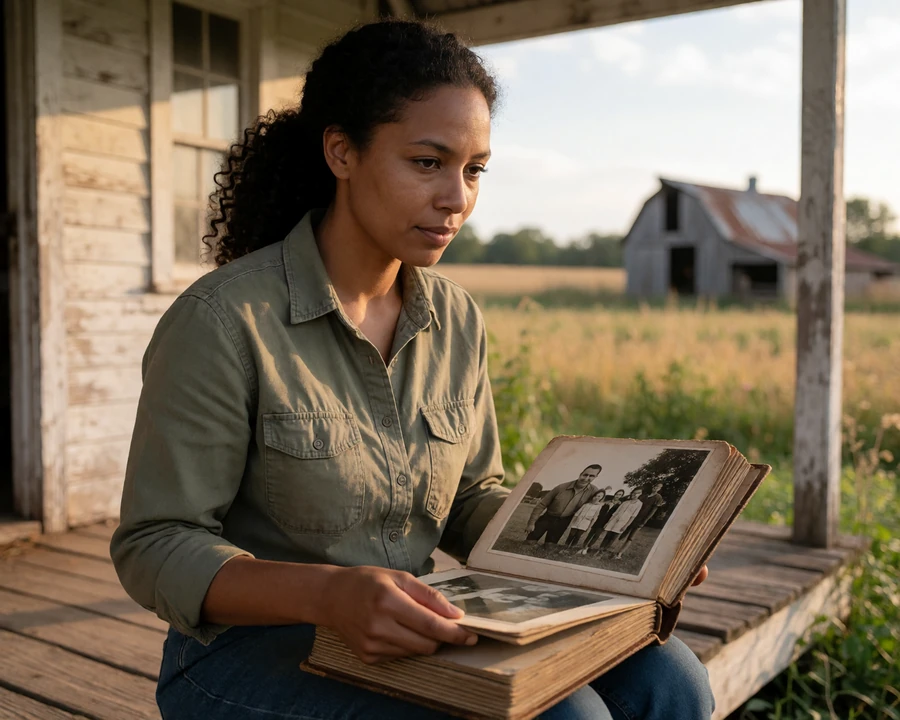
Agricultural heritage can strengthen relationships when couples treat the land as a shared story rather than a silent pressure. Family farms carry memory, obligation, grief, pride, and hope. The healthiest partners make room for that legacy while still building a relationship that belongs to the present.
For many farmers, love and land are tied together. The farm may hold a grandfather's tool bench, a mother's garden, a family name on county records, or a debt load that no dating app profile can fully explain. That is why country couples often need deeper conversations about inheritance, boundaries, decision-making, and where a non-farming partner fits.
Journalist Kristina Johnson, after a year interviewing young farmers, put the point this way: bringing a new generation into farming depends not only on the economic viability of crops but also on the social viability of farm life - on tending relationships the way farmers tend land.
The metaphor is useful. Soil needs testing. Fields need rotation. Some acres need rest. Relationships need the same kind of attention: honest check-ins, changed routines, and quiet recovery after pressure seasons. If you are exploring local farmers dating, look for someone who can talk about both the work and the life around it.
Why does this matter? Because a farm couple is not only planning date nights. They may be planning who handles chores during illness, whether children want the operation someday, how far a partner can commute, and what privacy looks like in a small community. Those questions are not unromantic. They are how country couples protect the love that makes the life possible.