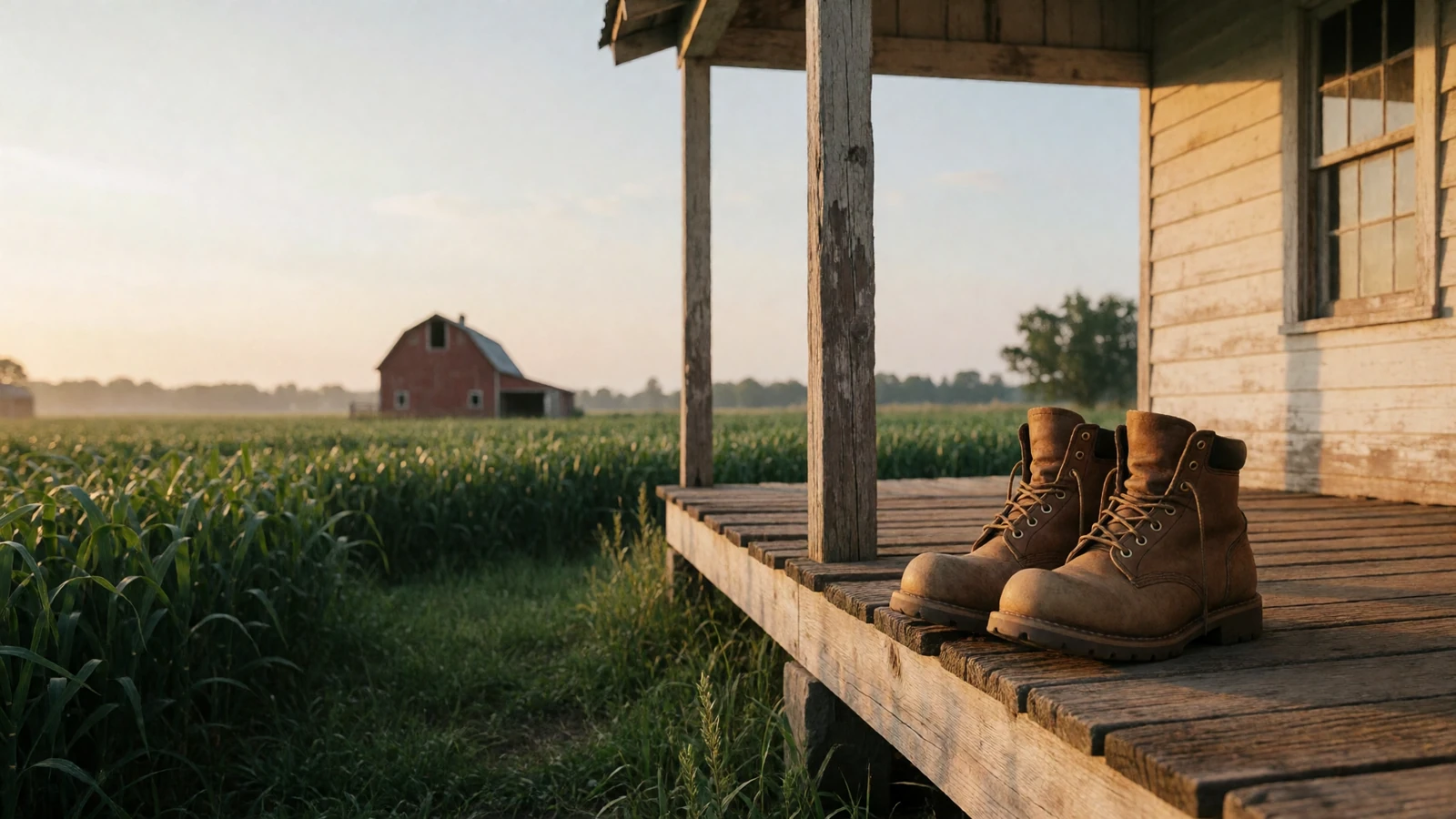
- A farmer's year is a cycle: 14-hour planting days in spring, relentless livestock work in summer, dawn-to-dark harvest in fall, and a real window for connection in winter.
- Don't fight the calendar - plan dates around it. Short breakfast windows beat cancelled dinners during busy seasons.
- During harvest, short specific texts and a photo say more than a long letter, and one protected evening a week keeps couples steady.
- Winter (roughly mid-December to late February) is prime time for long conversations, family visits, and interstate road trips.
- Learn the operation before the person, treat food as a love language, and save hard money talks for the winter kitchen table.
Is it hard to date a farmer?
Dating a farmer is not harder, just different. The main challenge is the schedule: a farm runs on seasons and weather, not a nine-to-five clock, so evenings and weekends shift with the work. Couples who understand the seasonal rhythm of rural dating and plan around it - instead of resenting it - tend to build steady, lasting relationships.
Here's the thing: a farmer choosing chores over a dinner reservation is rarely about priorities of the heart. It's about a crop that can't wait for rain to pass, or animals that genuinely cannot feed themselves. Once you internalize that, the rest of dating a farmer gets much simpler. The rest of this guide walks the year season by season, then shares five habits that keep rural couples connected through all of it.
Spring Planting: Short Windows Instead of Evenings
Spring planting is a race against a roughly 20-day window set by rain, wind, and the calendar - which is why asking a grain farmer to simply "take Saturday off" can mean risking part of the year's yield. From March through May, 14-hour days are normal, and the smart move is to trade long evenings for short, reliable windows of togetherness.
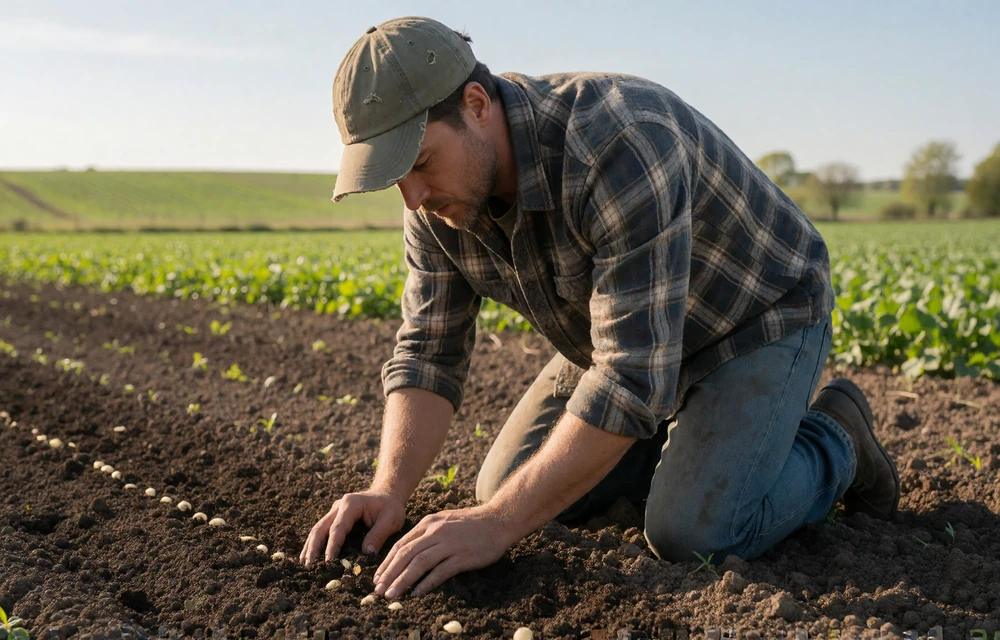
Look for 15-minute breakfast windows, a half-hour lunch beside the shop, and a quiet wind-down after the evening chores are done. One of the most romantic dates of the whole season can be simple: a thermos of coffee, two breakfast burritos, and 20 quiet minutes on the tailgate of a pickup at 6:45 in the morning before the tractor fires up. Those small, dependable moments - the kind of country-lifestyle togetherness that doesn't need a reservation - carry a spring relationship a long way.
Summer Livestock Stress and Calving Season
Summer work is less compressed than planting but never stops. Haying, irrigation, moving livestock, and - on many operations - calving fill the season, and calving in particular can stretch across roughly 60 days of broken sleep and 3:00 a.m. barn checks. It's a stretch that quietly tests patience and trust in equal measure.
What does this mean in practice? As Cole, a grain and cattle producer in Nebraska, puts it: the cows come first - not because they matter more than a partner, but because they can't feed themselves. Understanding that logic is the difference between feeling neglected and feeling like a teammate. The isolation of a long calving stretch is real, and it's exactly why the trust habits behind healthy long-distance rural relationships matter even for couples who live nearby. Assume good intent, send a warm text into the silence, and celebrate the ordinary wins - a healthy calf, a finished field, a decent night's sleep.
Harvest as a Communication Stress Test
Harvest is the season where relationships either deepen or quietly break. From late September through November, combines run from first light to full dark, grain trucks shuttle to the elevator, and families often eat supper in the cab. Communication - not romance - is what carries a couple through it.
Here's where it gets practical. A few field-tested habits make all the difference:
- Short, specific texts beat long letters. "Two more loads, home by 9" says more than a paragraph.
- Send a photo instead of words. A shot of the sunset over the header speaks when there's no time to type.
- Assume competence during silence. Six quiet hours means the work is going, not that something is wrong.
- Protect one evening a week. Even a single guarded night keeps the connection alive.
- Show up physically. Bring a pot of chili to the field or ride along in the combine for an hour.
This is the same principle behind the research on everyday texting and relationship satisfaction: frequent, low-effort contact often matters more than rare grand gestures. During harvest, a quick "thinking of you" at the elevator does more work than a weekend getaway you can't take.
Winter: The Window for Relationships and Road Trips
Winter is the season farmers finally exhale. From mid-December through late February, most grain operations and many livestock farms slow down: equipment goes in for repair, the bookkeeping gets caught up, and whole evenings open up again. For rural couples, this is the golden window.
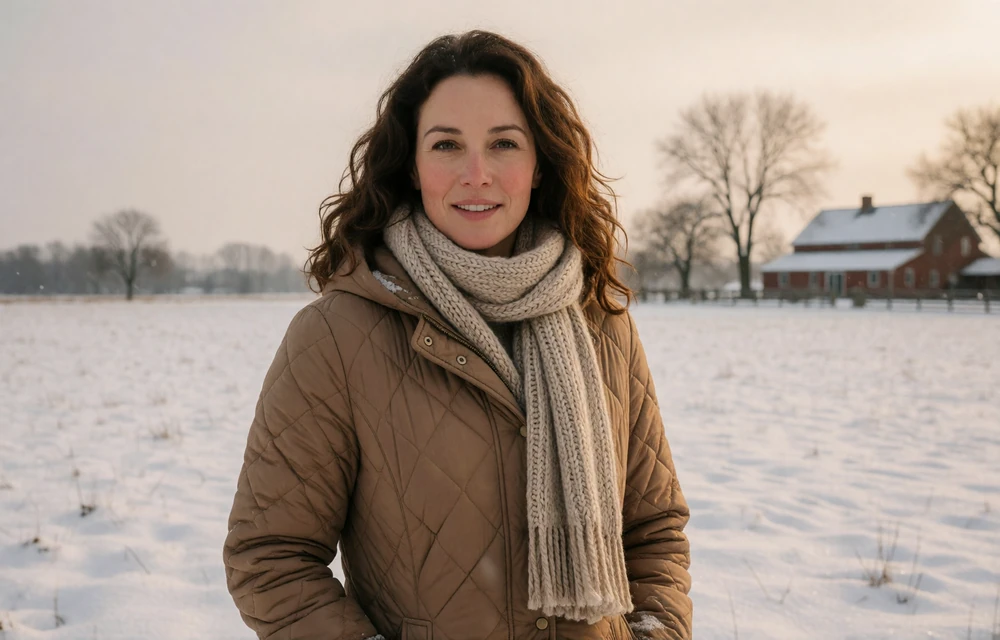
The temptation is to fill the off-season with errands. Resist it. Guard those quiet weeks for long dinners, family visits, and the big conversations - about the land, kids, and the next ten years. For couples living in different states, December and January are the real travel months, when a long drive across county or state lines is finally possible. If you met through one of our local state hubs, winter is the season to close the distance in person.
Five Habits of Couples in the Farm Calendar
Across every season, the strongest rural couples tend to share the same five habits. Think of them as a route that runs through the whole year - each one reducing the friction of two people living on different clocks.
-
Learn the Operation First
Study the farm’s calendar before you study the person. Knowing when planting, calving, and harvest fall tells you when to lean in and when to give space.
-
Voice Small Needs Early
Say what you need in the moment instead of stockpiling frustrations until harvest, when there’s no bandwidth to work through them.
-
Treat Food as Support
A hot meal in the field or a thermos on the tailgate is a love language on a farm. Feeding each other is showing up.
-
Protect a Recovery Week
After calving or the combine finally stops, guard a week with no plans. Rest restores the relationship as much as the body.
-
Save Money Talks for Winter
Bring the hard financial conversations to the winter kitchen table, not the July barn. Calm timing makes tough topics survivable.
The bottom line
Dating a farmer works when you stop fighting the calendar and start planning love around it. Do that, and the miles and the seasons become part of your story instead of obstacles to it.
Want to put these ideas into practice? Explore more country date ideas for every season, or read how real couples handle life on a farm and relationships.